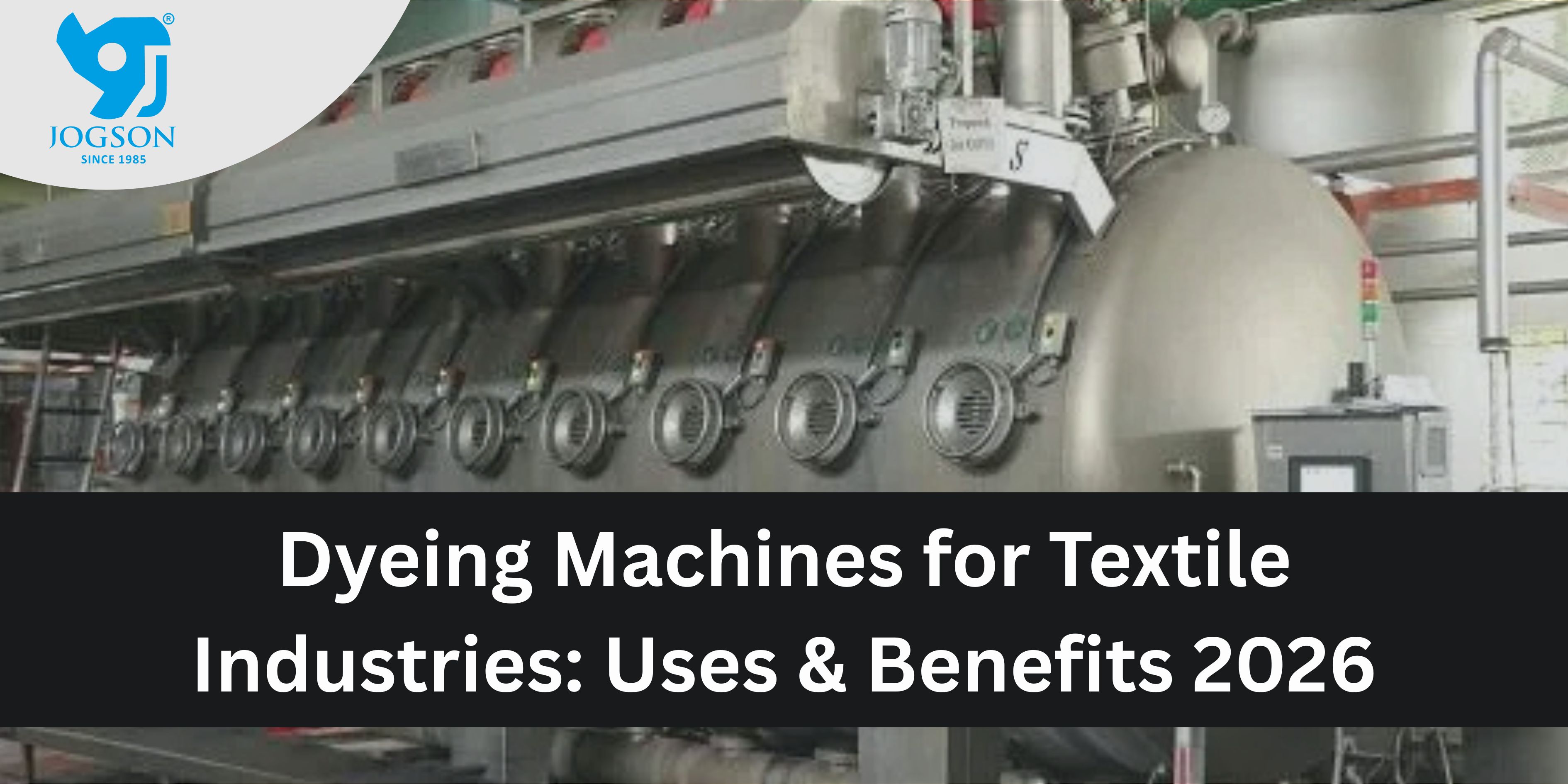
Dyeing Machines for Textile Industries: Uses and Benefits 2026
What Is a Dyeing Machine?
The dyeing machine functions as an industrial textile machine that applies color to fabrics and yarns and textile materials through controlled dyeing processes. The machines operate at high production rates while maintaining specific requirements for correct color depth and uniformity and product longevity. Textile manufacturing today relies on advanced dyeing machines, which fulfill quality standards and enable manufacturers to produce goods within quick turnaround times. Textile dyeing machines have undergone major changes because of the need for accurate precision and automated operations and environmentally friendly practices that exist in today's industrial pattern.
Jogindra Industries Pvt Ltd was established with the vision of bringing high-technology solutions to the textile industry. The company develops and delivers advanced dyeing machines through close partnerships with top textile manufacturers to solve actual production issues and optimize their dyeing operations.
Uses of Dyeing Machines in Textile Industries
Dyeing machines are widely used across different stages of textile processing. The machines primarily serve to dye fabrics, which are used to create both clothing and household textiles.
The machines provide uniform color application to cotton materials and polyester materials as well as fabric blends and specialized textiles, which manufacturers use to produce clothing and curtains and upholstery and bedding products.
- Yarn dyeing represents another major application that involves dyeing fibers before they are transformed into woven or knitted materials.
- The process enables manufacturers to achieve improved control over color selection while maintaining freedom to create their designs.
- The textile industry depends on yarn dyeing machines because they enable factories to create products with multiple colors and textured materials and high-quality textile goods.
- Dyeing machines perform color processing tasks that industrial operations require at their production facilities.
- Large textile units depend on these machines for their ability to perform bulk dyeing operations while maintaining product quality and achieving low material waste and producing consistent outcomes.
The advanced machines enable high-temperature and high-pressure dyeing processes, which can be used to process multiple types of fibers and fabric materials.
Benefits of Using Dyeing Machines
The main advantage of modern dyeing machines lies in their ability to produce uniform color results, which they achieve through their advanced technology.
- The automated control systems maintain all operational parameters at their required levels, which results in identical color outputs for all production batches and helps decrease product defects.
- Dyeing machines improve production efficiency through their operational capabilities.
- The system executes automated cycles, which decreases the need for human operators while increasing processing speed and enabling nonstop production to fulfill the extensive requirements of the textile industry.
- The system provides another advantage because it decreases both workforce needs and resource consumption.
- The advanced dyeing machines enable manufacturers to decrease their operational expenses through their ability to minimize dye waste and water usage and chemical consumption while maintaining production efficiency.
- The system provides two substantial advantages through its ability to save both energy and water resources.
- The modern machines operate with energy-efficient systems, which decrease their power requirements, while their water reuse systems enable environmentally friendly textile production methods.
- The contemporary dyeing machines that manufacturers produce today meet all current safety requirements.
The industrial environment maintains operational reliability through its protection, which combines strong construction materials with automated control systems and safety features.
Types of Dyeing Machines
Textile industries implement specific dyeing technologies that match their respective textile production methods. The most common dyeing machines for use in dyeing operations include:
Yarn Dyeing Machine
Yarn Dyeing Machine use high-speed flow to move fabric through a dye bath for permanent fabric dyeing. The machines can handle lightweight fabrics, which need special care because they produce consistent color results.
Pad Dyeing Machine
The machine operates through an ongoing process that uses pad dyeing technology for its dyeing operations. The machine operates by passing fabric through a dye solution, which the rollers then use to extract dye from the fabric.
Package / Beam Dyeing Machine
The machines serve as the primary equipment for conducting yarn dyeing operations. The yarn packages and beams undergo dyeing under controlled pressure conditions, which enable deep color penetration and consistent dyeing results.
Jig Dyeing Machine
People in the textile industry use jig dyeing machines to dye woven fabrics. The fabric moves back and forth through the dye bath, which allows the machine to operate as a medium-sized dyeing system.
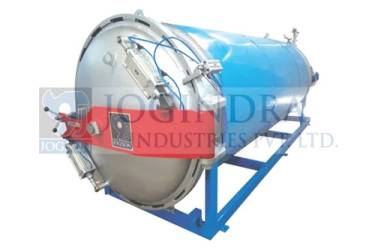
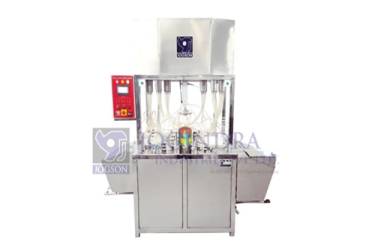
Jogindra Industries Pvt Ltd manufactures and supplies a wide range of dyeing machines, which include HTHP horizontal and vertical tubular dyeing machines and multicolor space dyeing machines, and multipot dyeing machines. The machines have been constructed to deliver lasting durability and operational efficiency and extended service life.
Conclusion
Dyeing Machines play a crucial role in modern textile manufacturing by ensuring color accuracy, production efficiency, and sustainable operations. The machines used for textile production operate at every stage from fabric and yarn dyeing to large-scale industrial processing. The company provides reliable dyeing machinery to textile manufacturers through its continuous product development and strict quality control and strong after-sales support, which helps customers compete in 2026 and future years. The proper dyeing machine investment serves as a manufacturing choice that establishes a path toward achieving better quality results and operational efficiency and sustainable business development.